440roadrunner, this is right up your alley. Can any of your equipment do this?
A NEW WAY TO DETECT SOLAR FLARES:
Around the world, ham radio operators are experimenting with a new way to detect solar flares--
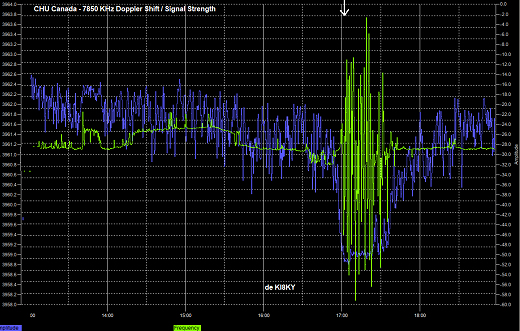
the Doppler Shift method. Brian Curtis of Sault Ste Marie, Michigan, demonstrated the technique during yesterday's X-flare:
"I monitor the frequency and field strength of Canada's CHU time station transmitting at 7850 KHz," explains Curtis. "During the X-class flare event, I was able to detect the Doppler shift of the station's carrier frequency (green plot). It shifted by 5 Hz, which is a small change, but very obvious!"
When radiation from a solar flare hits Earth's atmosphere, it ionizes the air, temporarily boosting the thickness of our planet's ionosphere. Any radio station skipping off the ionosphere will suddenly find its frequency Doppler shifted. Frequency standards stations such as
WWV,
WWVH, and
CHU transmit carriers with atomic-clock grade frequency stability, so they are perfect sources for Doppler monitoring.
"I have been monitoring radio stations for decades, noting sudden changes in signal strength as a means of monitoring space weather events," says Curtis. "It is only fairly recently (~4 months) that I started to experiment with monitoring the Doppler shift of HF stations. Yesterday's X-class flare event is by far the most dramatic that I have witnessed thus far."
Would
you like to detect solar flares this way? The
HamSCI citizen science program has developed a
Personal Space Weather Station specifically for doppler shift measurements. This technique can also be used to study
solar eclipses.
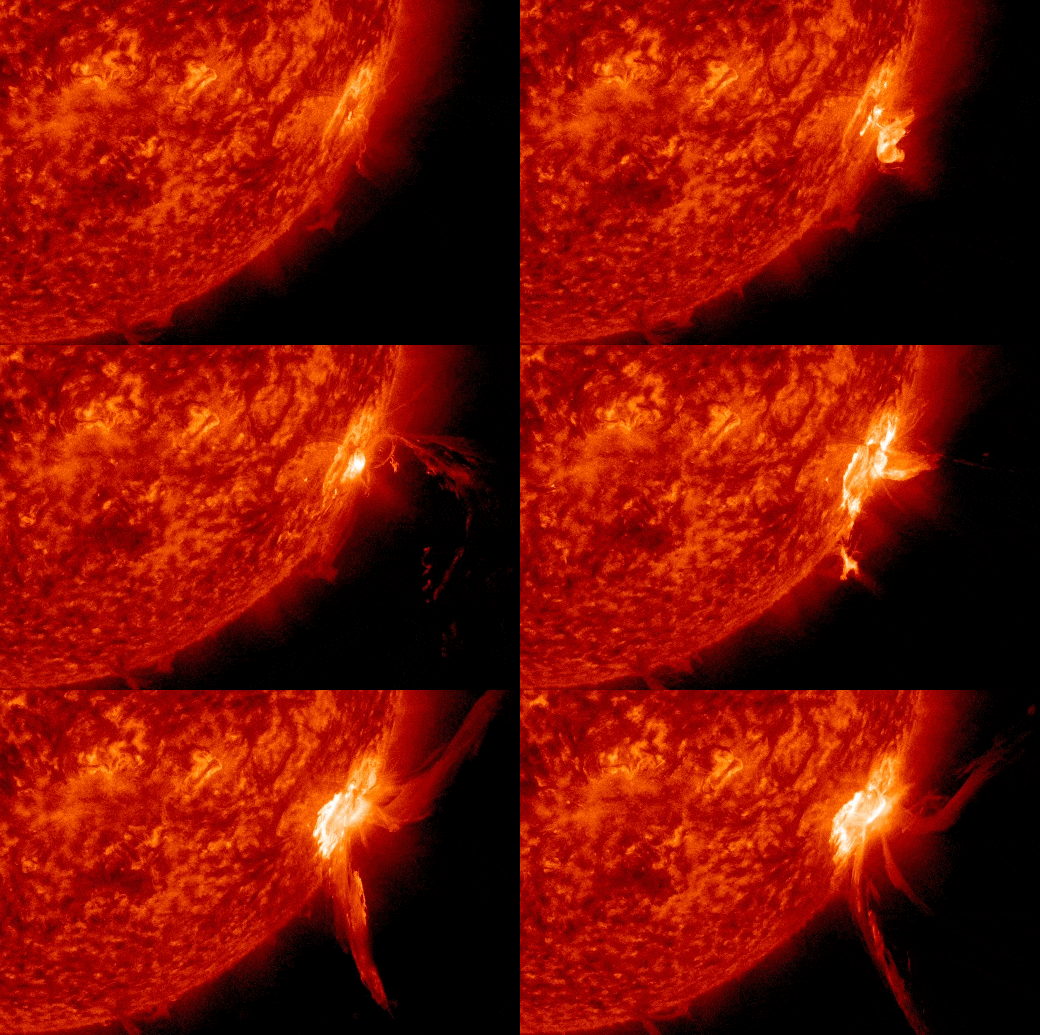
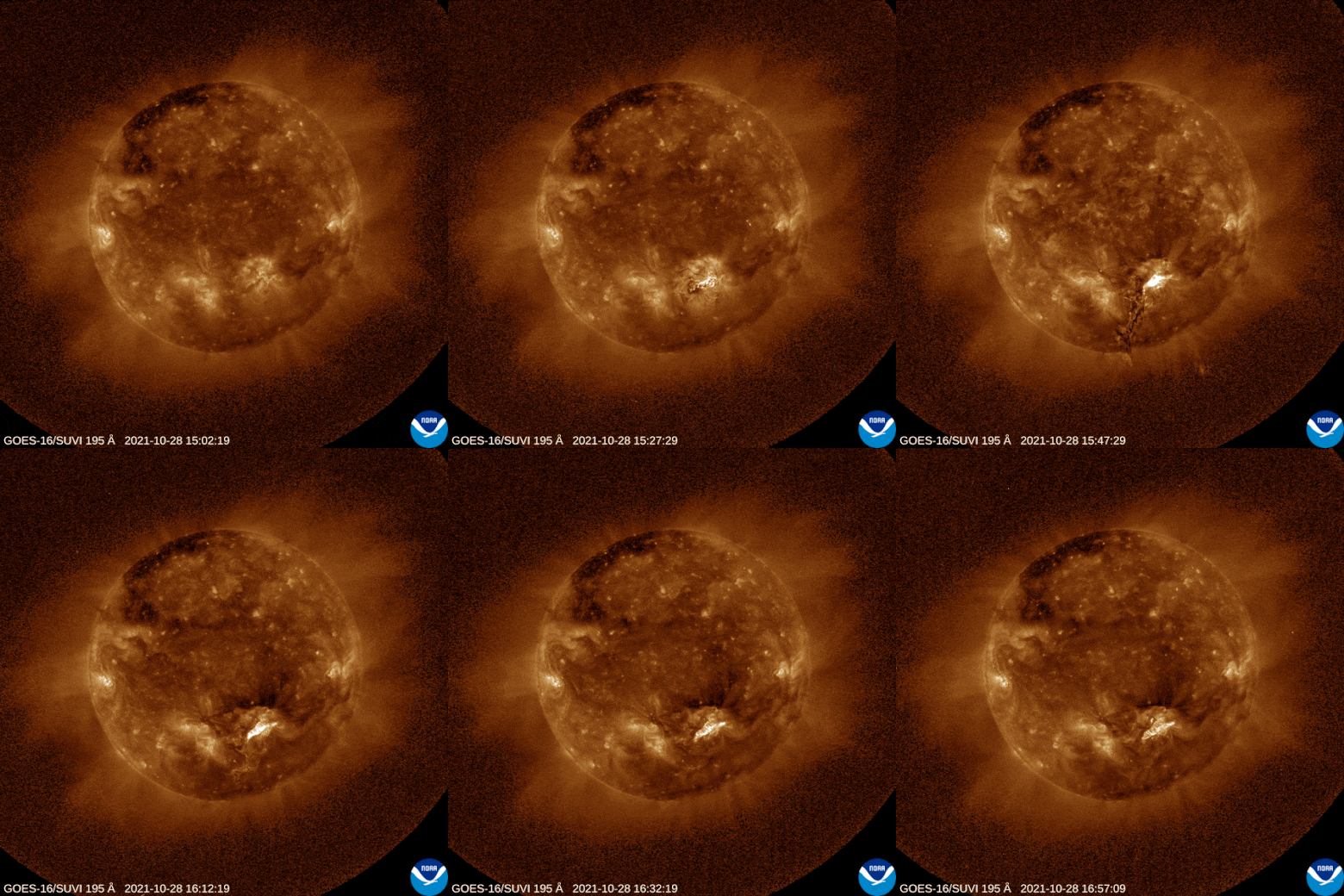
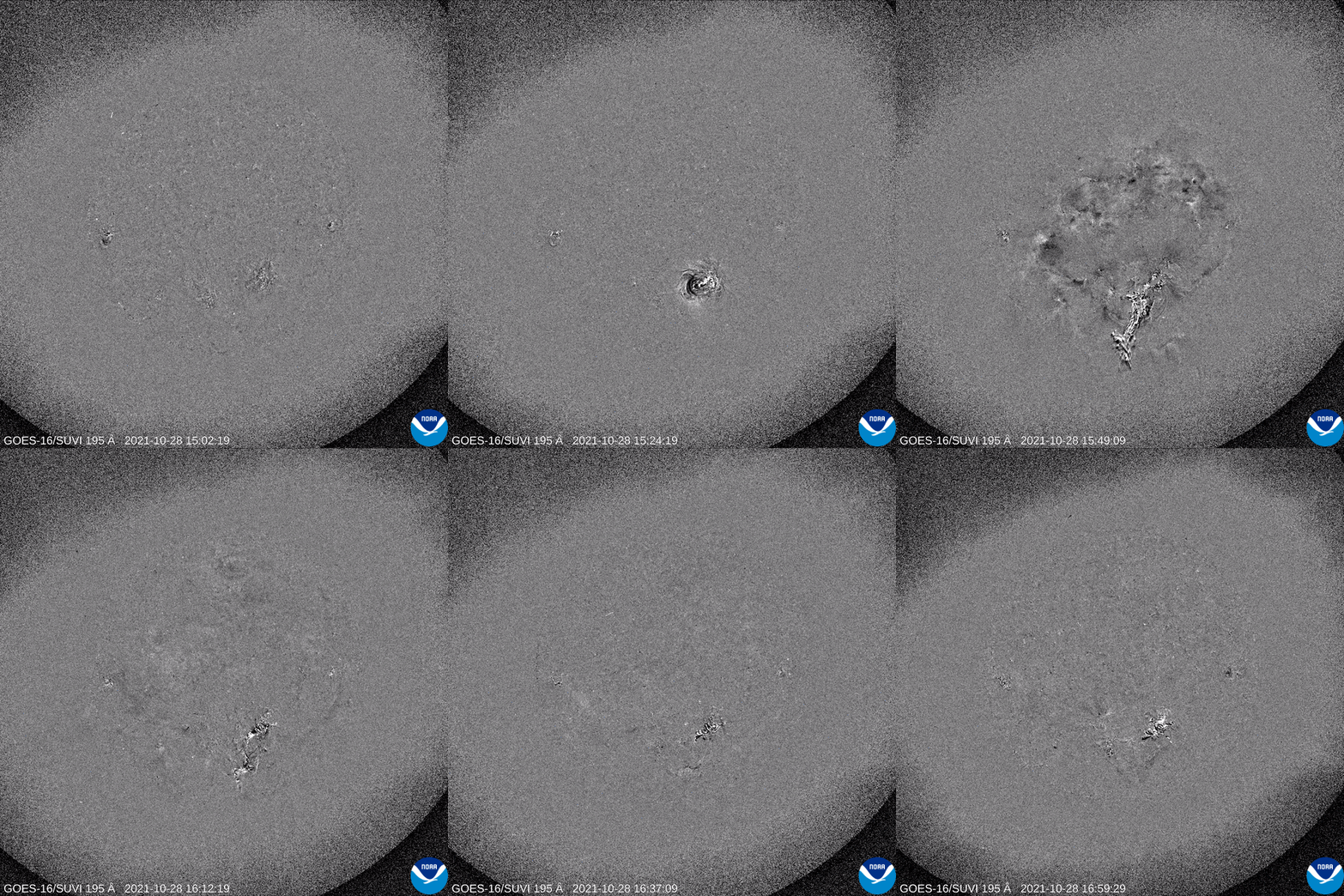
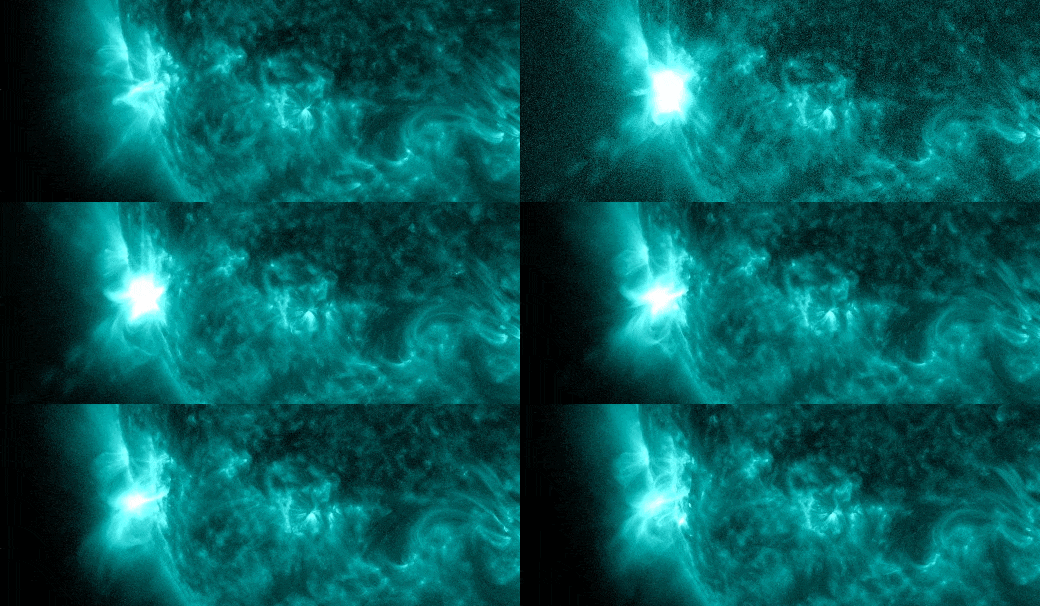
X-CLASS SOLAR FLARE AND CME: New sunspot AR3341 erupted on June 20th, producing an X1.1-class solar flare (1709 UT). NASA's Solar Dynamics Observatory captured the extreme ultraviolet flash:
Radiation from the flare ionized the top of Earth's atmosphere. This caused a deep shortwave radio blackout over North America:
map. Aviators and ham radio operators may have noticed loss of signal at frequencies below 30 MHz for as much as 45 minutes after the flare.
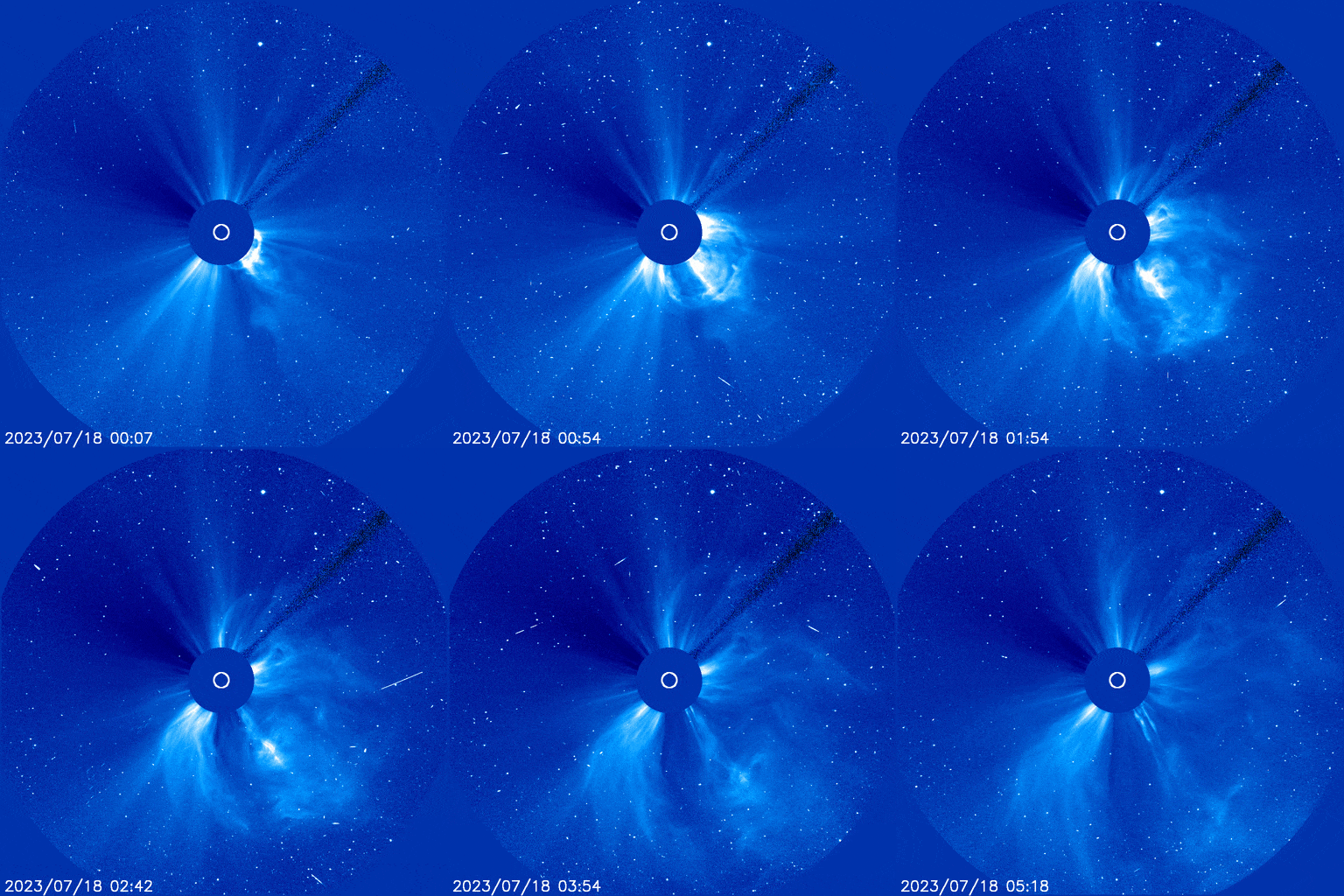
SOHO coronagraphs have since detected
a CME emerging from the blast site. The CME's expansion velocity exceeds 1000 km/s (2.2 million mph), according to
Type II radio bursts detected by the US Air Force. It's a fast mover that should deliver a potent blow to whatever it hits.
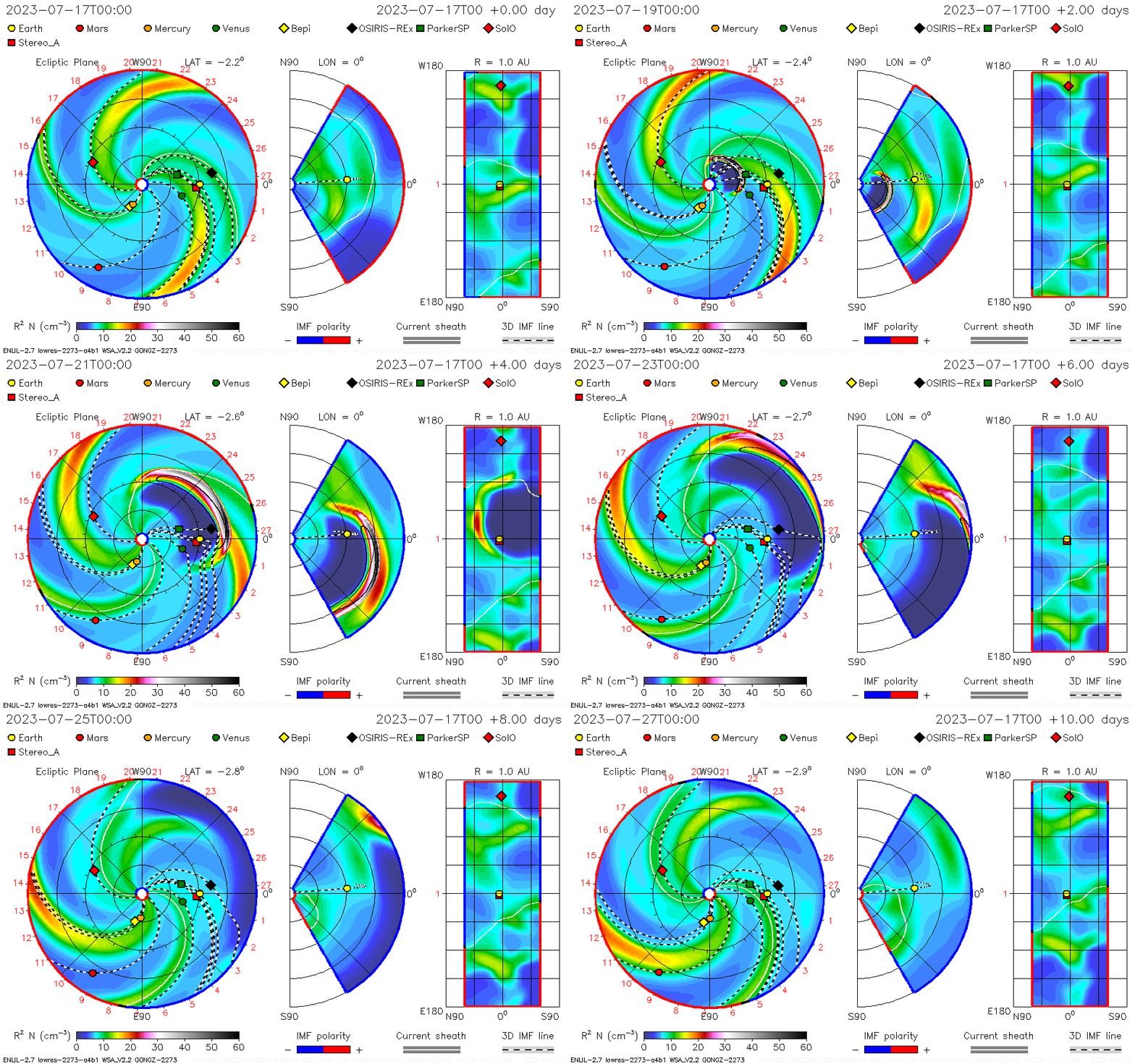
Earth is probably not in the strike zone, although a glancing blow may be possible on June 22nd or 23rd. Confirmation awaits modeling by NOAA forecasters.
Solar flare alerts: SMS Text




medicalxpress.com


 www.nasa.gov



 nypost.com
 www.sciencealert.com

 eos.org

 innengine.com