1 / 10

Vigilante Parts
2 / 10

Dynamic
3 / 10

Pacific
4 / 10

Madcap
5 / 10

Bigtime Automotive
6 / 10

DHR Motorsports
7 / 10

Probe
8 / 10

ATD
9 / 10

Jesel
10 / 10

Precision

You are using an out of date browser. It may not display this or other websites correctly.
You should upgrade or use an alternative browser.
You should upgrade or use an alternative browser.
***Post a MEME Thread***
- Thread starter lumen8
- Start date

James Joyce
Platinum Member

James Joyce
Platinum Member

99PanozAIV
Platinum Member
- Joined
- Mar 10, 2020
- Messages
- 16,630
- Reaction score
- 34,713
- Points
- 153


jds59
Grumpy Old Bastard
- Joined
- Mar 21, 2021
- Messages
- 9,785
- Reaction score
- 64,287
- Points
- 153



Yoyodyne
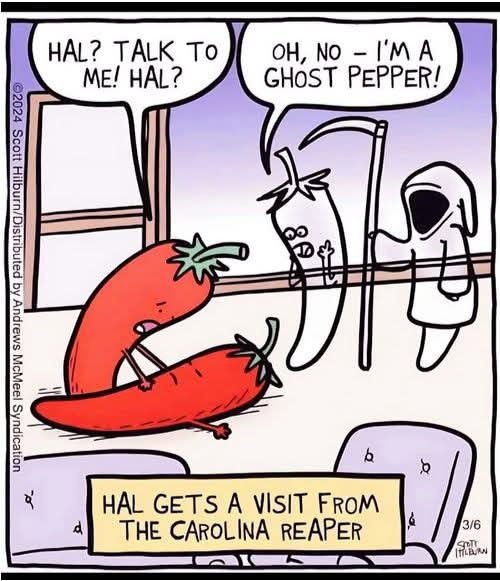
Open the pod bay door, HAL
^^^^^ lol. BTW, there's a new classification recognized, the Otrovert. Basically they are pretty social but don't like being around normal people for extended periods, they retreat to recharge. Honest. Anyone recognize themselves here?
Otroversion
is a newly identified personality type coined by psychiatrist Dr. Rami Kaminski to describe people who are "eternal outsiders"—independent, often creative, and non-conformist individuals who do not feel a sense of belonging to any group. Derived from the Spanish word otro ("other"), otroverts are not necessarily shy (like introverts) or craving attention (like extroverts).
Key characteristics of an otrovert:
- Non-conformity: They do not align their beliefs or behaviors to fit in.
- Observational Role: They often remain on the margins or in the "other" space, observing rather than merging with groups.
- Deep Connections:While they struggle with group belonging, they often maintain, and thrive on, deep one-on-one relationships
. - Emotional Independence: They do not "auto-sync" their mood to the group's collective emotional wave.
- Independent Thinkers: They are often original, resisting trends, popular culture, and conformity.


Racenutz2
Gold Member
- Joined
- Sep 30, 2020
- Messages
- 9,964
- Reaction score
- 47,460
- Points
- 153
That's pretty accurate for me.^^^^^ lol. BTW, there's a new classification recognized, the Otrovert. Basically they are pretty social but don't like being around normal people for extended periods, they retreat to recharge. Honest. Anyone recognize themselves here?
Otroversion
is a newly identified personality type coined by psychiatrist Dr. Rami Kaminski to describe people who are "eternal outsiders"—independent, often creative, and non-conformist individuals who do not feel a sense of belonging to any group. Derived from the Spanish word otro ("other"), otroverts are not necessarily shy (like introverts) or craving attention (like extroverts).
Key characteristics of an otrovert:
- Non-conformity: They do not align their beliefs or behaviors to fit in.
- Observational Role: They often remain on the margins or in the "other" space, observing rather than merging with groups.
- Deep Connections:While they struggle with group belonging, they often maintain, and thrive on, deep one-on-one relationships
.
- Emotional Independence: They do not "auto-sync" their mood to the group's collective emotional wave.
- Independent Thinkers: They are often original, resisting trends, popular culture, and conformity.
Midnight Cruise
Senior Member
- Joined
- Feb 3, 2021
- Messages
- 1,019
- Reaction score
- 1,477
- Points
- 113
Not sure I would classify that as seperate from introverts but it's definitely a profile that exists.^^^^^ lol. BTW, there's a new classification recognized, the Otrovert. Basically they are pretty social but don't like being around normal people for extended periods, they retreat to recharge. Honest. Anyone recognize themselves here?
Otroversion
is a newly identified personality type coined by psychiatrist Dr. Rami Kaminski to describe people who are "eternal outsiders"—independent, often creative, and non-conformist individuals who do not feel a sense of belonging to any group. Derived from the Spanish word otro ("other"), otroverts are not necessarily shy (like introverts) or craving attention (like extroverts).
Key characteristics of an otrovert:
- Non-conformity: They do not align their beliefs or behaviors to fit in.
- Observational Role: They often remain on the margins or in the "other" space, observing rather than merging with groups.
- Deep Connections:While they struggle with group belonging, they often maintain, and thrive on, deep one-on-one relationships
.
- Emotional Independence: They do not "auto-sync" their mood to the group's collective emotional wave.
- Independent Thinkers: They are often original, resisting trends, popular culture, and conformity.
I'm pretty sure when I first learned about extroverts vs introverts, one of the points was that introverts weren't necessarily shy. They could/can socialize just fine but don't require interaction the same way that extroverts do.


James Joyce
Platinum Member

James Joyce
Platinum Member

Yoyodyne
Open the pod bay door, HAL

jds59
Grumpy Old Bastard
- Joined
- Mar 21, 2021
- Messages
- 9,785
- Reaction score
- 64,287
- Points
- 153